In short: Find the best non-toxic cutting board for your kitchen. We compare wood, bamboo, steel, and plastic for safety, hygiene, and eco impact. Everything you need to judge it for yourself is below.
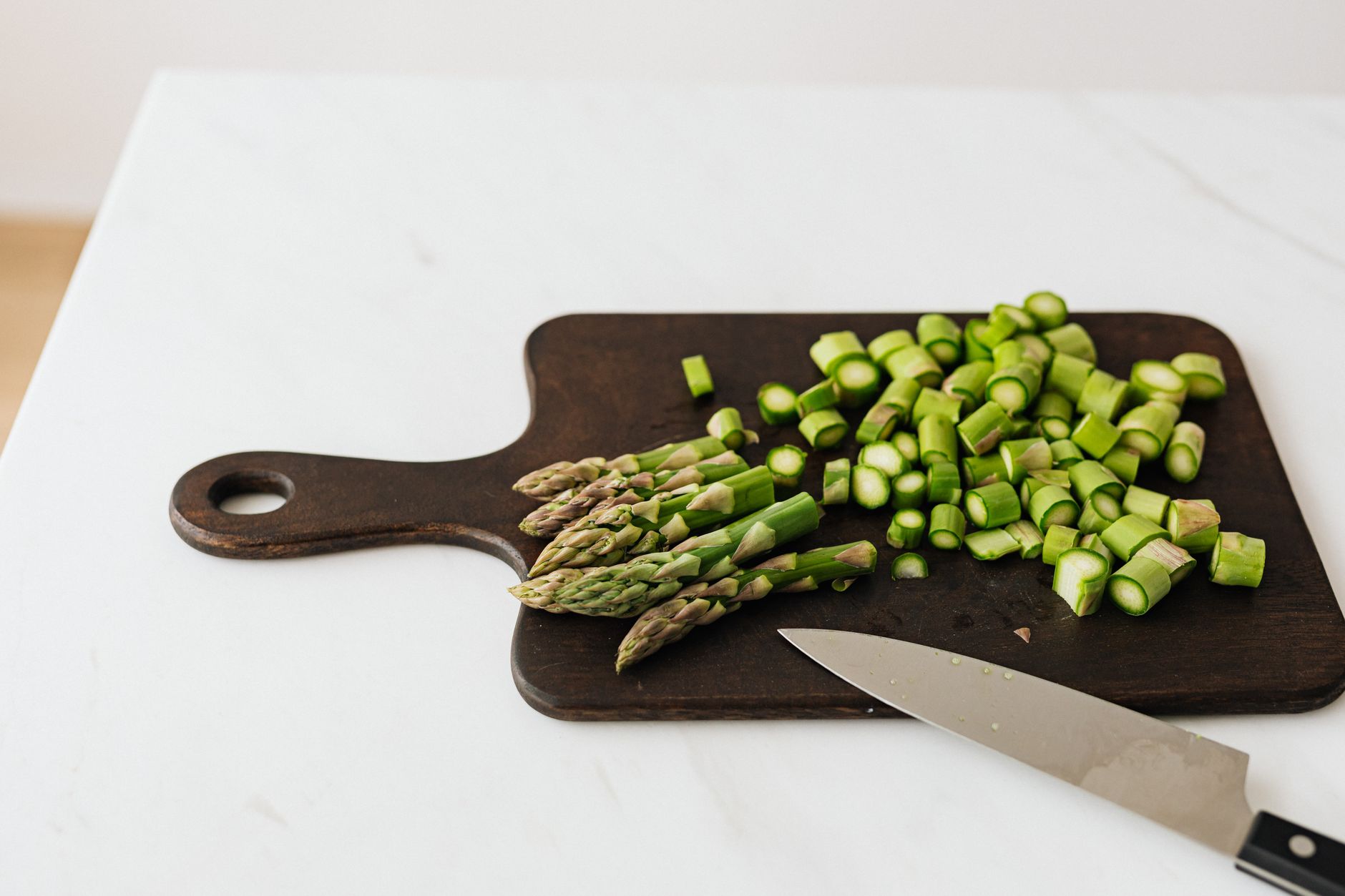
Best Non-Toxic Cutting Boards: Wood, Bamboo, Steel
If you are looking for the best non-toxic cutting board, you are likely tired of vague marketing claims about "food-safe" plastics or "sustainable" woods that don't hold up under scrutiny. The surface where you prep your food touches knives, bacteria, and moisture daily, making material choice critical for both health and durability.
Many standard plastic boards shed microplastics when cut, while cheap composites may contain hidden adhesives. Meanwhile, traditional hardwoods can harbor bacteria if not maintained correctly. This guide breaks down the science behind wood vs plastic cutting boards, bamboo cutting board safety, and the often-overlooked benefits of stainless steel.
We will evaluate five top contenders based on toxicity, hygiene, knife wear, and environmental impact. Whether you prioritize zero-maintenance convenience or the longevity of heirloom oak, there is a right choice here for your kitchen.
Material Science: What Makes a Board Non-Toxic?
"Non-toxic" is a relative term. In the context of kitchenware, it generally means the material does not leach harmful chemicals (like BPA, phthalates, or PFAS) into food, especially under heat or acidic conditions.
The Problem with Plastic
Is a plastic cutting board safe? Generally, yes, for short-term use, but with caveats. Most food-grade plastics are BPA-free, but they are susceptible to microplastic shedding. Every time you slice a tomato, you are transferring microscopic polymer particles onto your food. While the immediate toxicity of a few microplastic shards is debated, the long-term accumulation is a valid concern for health-conscious consumers. Furthermore, plastic boards develop deep grooves over time. These grooves trap moisture and food particles, creating a breeding ground for bacteria that dishwashers often cannot fully sanitize.
The Strengths and Risks of Wood
Wood is naturally antimicrobial. A study by the University of Wisconsin-Madison found that raw meat placed on wood boards showed significantly lower bacterial counts than on plastic, due to the wood's ability to absorb moisture and the presence of natural organic compounds. However, wood is porous. If you use a board with food-safe mineral oil or beeswax, you seal the pores, reducing bacterial retention. The risk arises when wood is left to dry out, crack, or is treated with varnishes containing VOCs (Volatile Organic Compounds). Always look for boards finished with pure food-grade oils, not polyurethane or lacquer.
Bamboo: The Eco Contender
Bamboo is technically a grass, not a wood, and it grows much faster than hardwoods, making it a more renewable resource. It is also harder than most woods, which means it holds up well against knife edges. However, bamboo boards are held together with adhesives. If the glue used is not food-grade or contains formaldehyde, the board can off-gas harmful fumes. Look for brands that explicitly state they use water-based, non-toxic adhesives.
Stainless Steel and Glass
Stainless steel (specifically food-grade 304 or 316) and glass are non-porous and chemically inert. They are the easiest to sanitize and do not absorb odors or stains. The downside? They are brutal on knives. Using a sharp chef's knife on steel or glass will dull the edge rapidly. These materials are best reserved for specific tasks, such as cutting bread or serving, rather than heavy prep work.
Top 5 Non-Toxic Cutting Board Picks
Based on material integrity, finish safety, and durability, here are the top five options for a non-toxic kitchen setup.
1. The Heirloom Oak Board (Solid Wood)
Price: $85 - $120 USD
Material: End-grain Hardwood (Maple or Walnut)
Finish: Food-grade Mineral Oil and Beeswax
End-grain boards are the gold standard for knife protection. Because the knife cuts between the wood fibers rather than across them, the board self-heals to some degree. This is the best option for heavy users who want a board that lasts decades. The key is maintenance: you must oil it every few months. It is not dishwasher safe and requires hand washing with mild soap.
- Pros: Extremely durable, kind to knives, naturally antimicrobial, beautiful aesthetics.
- Cons: Requires regular maintenance, heavy, can warp if not dried promptly.
2. The Eco Bamboo Block (Composite)
Price: $35 - $50 USD
Material: Sustainably Harvested Bamboo Strips
Finish: Water-based Non-Toxic Adhesive and Oil
Bamboo is harder than maple and very resistant to water damage. It is an excellent middle ground for those who want the look and feel of wood without the intense maintenance. Ensure the board is made from strips of bamboo rather than a solid block, as strip construction reduces the chance of warping. Check for a "Formaldehyde-Free" certification to ensure the adhesives are safe.
- Pros: Renewable resource, hard surface, affordable, resistant to warping.
- Cons: Can be harsh on very sharp knives if not careful, adhesive quality varies by brand.
3. The 304 Stainless Steel Board
Price: $25 - $40 USD
Material: Food-Grade 304 Stainless Steel
Finish: Uncoated / Polished
This is the ultimate non-toxic option. There is nothing to leach, nothing to absorb, and nothing to harbor. It is ideal for cutting citrus, fish, or anything that smells strong, as it wipes clean instantly. However, do not use it for your primary prep surface if you care about your knife edge. Use it as a secondary board for specific tasks.
- Pros: 100% non-toxic, zero maintenance, easy to sanitize, no odor retention.
- Cons: Dulls knives quickly, loud when cutting, slippery if not gripped well.
4. The Tempered Glass Board
Price: $40 - $60 USD
Material: Tempered Glass
Finish: Smooth, Non-Porous
Similar to steel, glass is inert and easy to clean. It is often used in professional kitchens for presentation. It is heavier than steel and less likely to slide around the counter. Like steel, it is not a good choice for daily heavy chopping due to knife wear.
- Pros: Non-porous, easy to clean, stable, aesthetic.
- Cons: Very hard on knives, can shatter if dropped, slippery surface for food.
5. The High-Density Polyethylene (HDPE) Board
Price: $15 - $25 USD
Material: BPA-Free HDPE Plastic
Finish: Smooth
If you want a disposable, low-cost option, HDPE is the standard. It is lighter than wood or glass and easy to toss in the dishwasher. While it sheds microplastics, modern BPA-free formulations are stable. This is the best option for cutting raw poultry or meat if you plan to sanitize it immediately in a dishwasher at high heat. Replace it frequently once grooves appear.
- Pros: Cheap, lightweight, dishwasher safe, easy to replace.
- Cons: Sheds microplastics, develops bacteria-harboring grooves, not eco-friendly long-term.
Comparison Table: Wood vs. Plastic vs. Alternatives
To help you decide, here is a side-by-side comparison of the key factors for the best non-toxic cutting board candidates.
| Feature | Hardwood (End-Grain) | Bamboo (Composite) | Stainless Steel (304) | HDPE Plastic |
|---|---|---|---|---|
| Toxicity Risk | Low (if oil finish) | Low-Medium (adhesive dependent) | None | Low (microplastic shedding) |
| Knife Wear | Very Low | Medium | High | Low |
| Bacteria Hygiene | Good (antimicrobial) | Good (harder than wood) | Excellent (non-porous) | Poor (grooves trap bacteria) |
| Maintenance | High (oil regularly) | Medium | None | Low (replace often) |
| Eco Profile | Good (biodegradable) | Very Good (renewable) | Good (recyclable) | Poor (landfill waste) |
| Best For | Daily Prep / Heirloom | Budget / Eco-Conscious | Sanitation / Serving | Raw Meat / Disposables |
Bottom Line and Verdict
There is no single "best" board because different materials serve different needs. However, for the average household seeking the best non-toxic cutting board for daily use, a solid hardwood end-grain board (like maple or walnut) is the superior choice. It protects your knives, resists bacteria, and is made from a natural, biodegradable material. If you prefer lower maintenance or a renewable resource, a high-quality bamboo board with certified non-toxic adhesives is a close second.
Keep a small stainless steel or glass board for tasks requiring intense sanitation or for cutting items that smell strongly. Avoid relying solely on plastic boards for daily prep due to microplastic shedding and bacterial growth in grooves. Rotate boards by food type (one for raw meat, one for produce) to maximize hygiene, regardless of material.
Frequently Asked Questions
Q: Are wooden cutting boards safe for raw meat?
A: Yes, provided you clean them properly with hot water and mild soap and dry them immediately. Wood's natural antimicrobial properties often outperform plastic in bacterial reduction, but you must prevent the wood from staying wet to avoid mold or warping.
Q: How do I know if a bamboo board is non-toxic?
A: Look for labels stating "Formaldehyde-Free" or "Water-Based Adhesive." Avoid boards that smell strongly of chemical glue when new. Reputable brands will explicitly state the type of adhesive used.
Q: What is the most eco-friendly cutting board?
A: Bamboo is generally considered the most sustainable due to its rapid growth rate. However, a solid wood board that lasts 50 years has a lower environmental impact than a bamboo board that needs replacing every 3 years. Longevity is the key metric for sustainability.
Tool: Stainless Steel Grade Checker — look up what a grade like 18/10, 304 or 316 actually means.
Comments
Post a Comment