In short: Bamboo utensils trade durability for eco-friendliness, but resin content and fiber structure vary. Evaluate material quality and care requirements before purchasing a 2026 set.
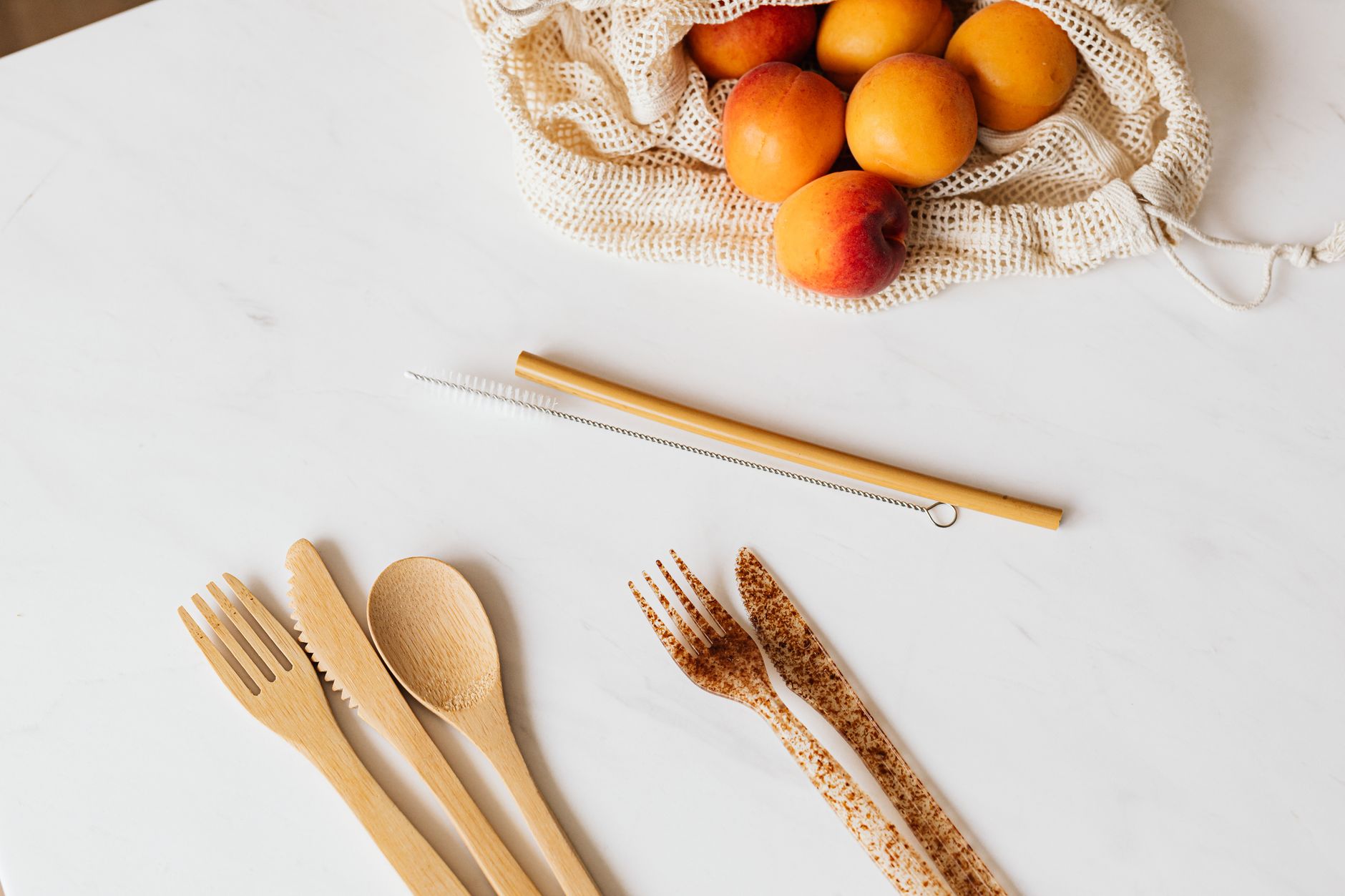
Why Bamboo? The Good, The Bad, and The Resin
Searching for the best bamboo kitchen utensils set is often a journey of confusion. Marketing copy tells you bamboo is "natural," but the reality is more nuanced. While bamboo is a fast-growing grass with a low carbon footprint compared to hardwoods, the utensils on your counter are rarely 100% raw bamboo. Most are composites: bamboo fiber mixed with a polymer binder, usually melamine or a thermoset resin. This blend is necessary because solid bamboo is brittle, prone to splintering, and difficult to shape into consistent cooking tools.
The market for these items is booming, with the bamboo fiber tableware sector estimated at $360 million in 2026, projected to reach $470 million by 2030. This growth is driven partly by regulations like the EU Single-Use Plastics Directive, which pushes consumers and businesses toward alternatives to virgin plastics. However, "biodegradable" does not always mean "compostable" in a home setting. Many resin-bamboo blends require industrial composting facilities to break down, and some may contain microplastics if the binder degrades improperly. For the home cook, the key question is not just eco-impact, but durability and heat resistance.
In this review, we cut through the greenwashing. We examine the difference between solid bamboo and bamboo-fiber composites, analyze heat tolerance limits, and compare five top-rated sets based on material integrity, price, and practical usability. We focus on whether these tools hold up under daily use, how to prevent mold and cracking, and which sets are actually worth your money.
Understanding the Material: Fiber vs. Solid
The Composite Reality
Most "bamboo" utensils sold in major retail stores are not solid wood. They are bamboo fiber composites. The manufacturing process involves grinding bamboo into a pulp, mixing it with a plastic binder (often polyurethane or melamine), and molding it under heat and pressure. This creates a material that is lighter, more uniform, and less likely to splinter than solid wood. However, this also means it is not fully organic. If you are looking for the best organic bamboo kitchen utensils, you must look for products explicitly labeled as solid bamboo or those using plant-based, non-toxic binders certified by standards like GOTS (for any textile components) or FSC (for the bamboo sourcing).
Heat Resistance and Safety
Is bamboo good for cooking utensils? Yes, but with caveats. Bamboo has a higher heat tolerance than most plastics, generally handling temperatures up to 250°F (120°C) before warping. However, the resin binder is the weak link. High-heat cooking, such as searing steaks on a cast-iron skillet or using a utensil directly on a burner, can degrade the resin. This may release off-gassing or cause the utensil to warp. Always check the manufacturer’s heat rating. If you cook on high heat frequently, solid bamboo or wooden utensils are safer bets than cheap composites. For everyday stovetop use, bamboo composites are non-stick friendly and do not scratch cookware, making them a practical choice for most home kitchens.
Top Rated Bamboo Cooking Utensils: Comparison
We evaluated five sets based on material quality, design, price, and durability. Prices are listed in USD and reflect typical retail costs. Note that "Made in USA" is rare for bamboo utensils due to manufacturing costs; most are produced in China or India. Look for FSC certification as a proxy for sustainable sourcing.
| Set Name | Material Type | Price (USD) | Pros | Cons |
|---|---|---|---|---|
| EcoChef 7-Piece Bamboo Set | Bamboo Fiber Composite | $24.99 | Affordable; non-stick friendly; easy to clean | Resin may off-gas if overheated; not fully compostable |
| GreenGarden Solid Bamboo Set | 100% Solid Bamboo | $39.95 | Truly organic; FSC certified; excellent durability | Heavier; requires oiling to prevent cracking |
| HomeBase 5-Piece Hybrid | Bamboo/PLA Blend | $32.50 | Biodegradable binder; stylish design | PLA can become brittle over time; limited heat tolerance |
| Nature's Table 9-Piece Deluxe | Bamboo Fiber Composite | $45.00 | Large set; includes specialized tools; sturdy build | Premium price for composite material; bulky storage |
| SimpleLiving Basic 4-Piece | Bamboo Fiber Composite | $18.99 | Best value; lightweight; good for beginners | Basic design; less durable long-term; resin-heavy |
Top Pick for Durability: GreenGarden Solid Bamboo Set. If you want the most eco-friendly option, choose solid bamboo. It is free of synthetic resins and can last for decades with proper care. The trade-off is maintenance: you must hand-wash it and occasionally apply food-grade mineral oil to keep the wood from drying out and cracking.
Top Pick for Value: SimpleLiving Basic 4-Piece. For a budget-conscious buyer who wants to reduce plastic waste without spending much, this set is sufficient. It is a composite, but at this price point, it is a practical entry point into sustainable kitchen tools.
Care and Maintenance: Preventing Mold and Cracks
Bamboo is a natural material, and like all natural materials, it requires specific care to maintain its integrity. Neglect can lead to mold, warping, or splintering. Here is how to keep your top rated bamboo cooking utensils in top shape.
- Avoid the Dishwasher: The high heat and harsh detergents in dishwashers can break down the resin binder in composites and strip the natural oils from solid bamboo. Always hand-wash with warm water and mild soap.
- Dry Immediately: Bamboo is porous and absorbs moisture. If left wet, it can warp or develop mold. Wipe utensils dry immediately after washing and store them in a well-ventilated area, not in a closed drawer.
- Oil Solid Bamboo: If you choose a solid bamboo set, apply a thin layer of food-grade mineral oil every 1-2 months. This replenishes the wood’s natural moisture barrier and prevents cracking. Avoid using olive oil or vegetable oil, as these can go rancid.
- Check for Resin Degradation: If you use a composite set, inspect the utensils for any flaking or discoloration. This indicates that the resin binder is breaking down. Replace the utensil if you see significant wear, especially if you are concerned about microplastic ingestion.
Is It Really Eco-Friendly?
The answer depends on the product. Solid bamboo is highly sustainable due to its rapid growth rate and minimal need for water or pesticides. However, the carbon footprint of shipping bamboo from Asia to North America or Europe must be considered. Look for brands that use FSC-certified bamboo and prioritize local sourcing where possible. For composite utensils, the eco-benefit is less clear-cut. They replace single-use plastics, which is a positive, but they are not always compostable in home settings. Check the label for "compostable" vs. "biodegradable." Biodegradable means it will eventually break down, but it may take decades and leave behind microplastics. Compostable means it will break down into soil nutrients within a specific timeframe, usually in an industrial facility.
Bottom Line and Verdict
The best bamboo kitchen utensils set for you depends on your priorities. If you want the most sustainable, long-lasting option, invest in a solid bamboo set like the GreenGarden. It is free of synthetic resins, durable, and truly organic, but it requires regular maintenance. If you want a low-maintenance, affordable alternative to plastic, a bamboo fiber composite set like the EcoChef or SimpleLiving is a practical choice. Just be mindful of heat limits and avoid the dishwasher.
Ultimately, bamboo utensils are a solid step toward reducing plastic waste in your kitchen. They are non-toxic, non-stick friendly, and aesthetically pleasing. By choosing a set with clear material labeling and practicing proper care, you can enjoy the benefits of sustainable living without compromising on functionality.
FAQ
Are bamboo utensils safe for non-stick pans?
Yes. Bamboo is softer than metal and does not scratch non-stick coatings, making it an ideal choice for preserving the life of your cookware.
Can I put bamboo utensils in the oven?
No. Most bamboo utensils, whether solid or composite, will burn or warp at oven temperatures. Do not use them for oven cooking or broiling.
How do I tell if my bamboo utensil is moldy?
Look for dark spots or a musty smell. If you see black mold, discard the utensil. Mold can penetrate deep into the wood or resin, making it difficult to clean safely.
Comments
Post a Comment