In short: Material safety outweighs brand reputation when selecting a non-toxic water bottle for your child. This 2026 review compares top picks and key features to help you make a safe choice.
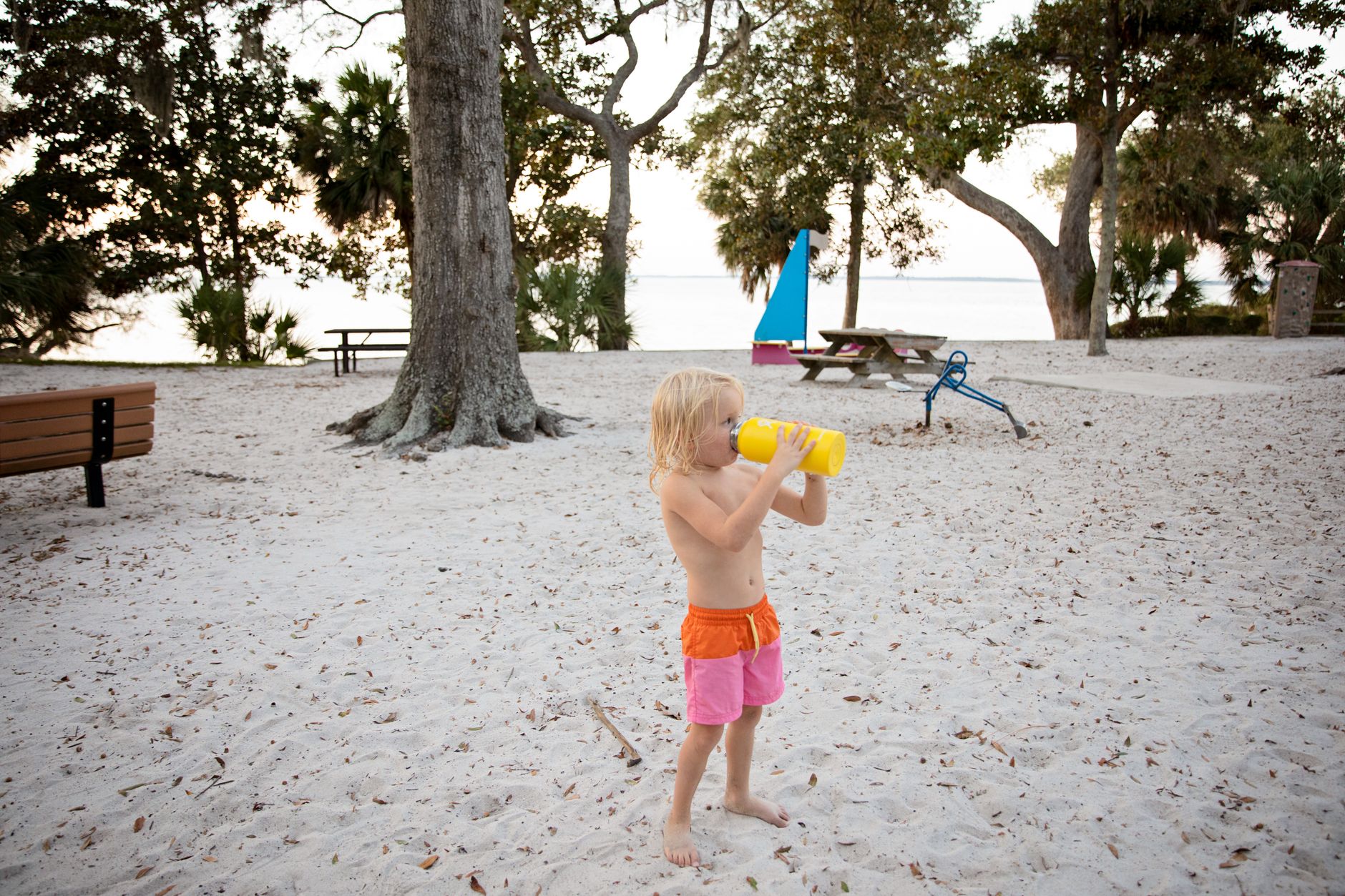
Finding the best non toxic water bottle for kids is less about aesthetics and more about chemistry. As parents, we want to fill our children’s cups without worrying about phthalates, lead, or microplastics leaching into their water. The market is flooded with colorful options, but many still rely on questionable plastics or low-grade metals that can harbor bacteria or chemical residues.
This review cuts through the marketing noise to focus on safety. We are looking for bottles made from food-grade 304 or 316 stainless steel, free from lead and cadmium, with lids that actually stay clean. We will compare top contenders, explain why the steel grade matters, and help you pick a durable, safe vessel for your toddler or child.
Below, you will find our top five picks, a detailed comparison table, and a breakdown of the materials you need to watch out for. Whether you are buying for a newborn or a school-age child, this guide prioritizes health over hype.
Why Material Safety Matters More Than Brand Names
When selecting a water bottle for a child, the material composition is the single most critical factor. Many parents assume that if a product is labeled "BPA-free," it is safe. However, BPA-free plastics often contain other endocrine-disrupting chemicals like BPS or phthalates. For the highest level of safety, we recommend moving away from plastic entirely for the main body of the bottle.
304 vs. 316 Stainless Steel
Not all stainless steel is created equal. The two most common food-grade grades are 304 and 316. Both are excellent, but there are subtle differences that affect durability and cost.
- 304 Stainless Steel (18/10): This is the standard for most high-quality cookware and bottles. It contains 18% chromium and 10% nickel. It is corrosion-resistant, easy to clean, and significantly less expensive than 316. For 95% of households, 304 is the sweet spot for value and safety.
- 316 Stainless Steel: This grade adds molybdenum to the mix, making it even more resistant to corrosion, particularly from salt and acids. It is the gold standard for marine applications and medical devices. If your child drinks heavily acidic sports drinks or you live near the coast, 316 is worth the premium. For plain water, 304 performs just as well.
The Hidden Dangers: Paint, Solder, and Lids
The bottle body is only half the battle. Many "non-toxic" bottles fail because of the decorative elements. Vinyl decals and painted logos can contain lead or cadmium, which can flake off with wear and tear. We prioritize bottles with laser-etched logos or powder-coated finishes that are certified lead-free. Furthermore, the internal solder joints in the cap mechanism must be lead-free to prevent contamination.
Plastic-Free Lids and Spouts
Even if the bottle is steel, the lid often contains plastic. While BPA-free Tritan or PP (polypropylene) is generally considered safe, it is still plastic. Some premium options use silicone spouts, which are softer and more durable, but require more frequent cleaning to prevent mold. Ensure whatever material is used is labeled as food-grade and free from phthalates.
Top 5 Non-Toxic Water Bottles for Kids
We evaluated several popular brands based on material integrity, ease of cleaning, and durability. Here are the five best options for different needs.
1. S'well Kids Stainless Steel Water Bottle
S'well is a household name for a reason. Their kids' bottles feature a robust 304 stainless steel construction and a leak-proof lid. The design is sleek, and the insulation keeps water cold for up to 24 hours. The spout is made from BPA-free plastic, but the overall build quality is exceptional. It is a strong contender for families who want a brand they can trust without overthinking the specs.
2. Klean Kanteen Kids Insulated Stainless Steel Bottle
Klean Kanteen offers excellent value and transparency. They use 18/8 stainless steel and ensure all components are BPA, BPS, and phthalate-free. Their lids are designed to be easily disassembled for thorough cleaning, a crucial feature for preventing mold. While the aesthetic is simpler than S'well, the functionality is top-tier, making it a favorite among eco-conscious parents.
3. YETI Rambler Kids Bottle
YETI is known for durability, and their kids' bottle lives up to the name. It features a powder-coated finish that resists scratches and fading, reducing the risk of paint chips exposing underlying materials. The straw is made from BPA-free plastic and is easy to remove. It is heavier than competitors, but if your child is rough on their gear, YETI is the tank you want.
4. Hydro Flask Kids Wide Mouth Bottle
Hydro Flask uses 18/8 stainless steel and their proprietary powder coat technology. The wide mouth is great for adding ice or cleaning, and the FlexCap straw is designed to be leak-proof. It is a bit pricier, but the insulation performance is outstanding. The materials are consistently high-quality, with no detectable off-gassing or chemical smells.
5. Nalgene Pro-Child Bottle (Plastic Alternative)
If you want to avoid the weight of steel, Nalgene’s Tritan plastic is the safest plastic option available. It is BPA-free, shatter-resistant, and does not leach chemicals. While it is not as durable as steel against drops, it is significantly lighter for little hands. This is the best choice for toddlers who struggle with the weight of a steel bottle.
Comparison Table: Key Features at a Glance
To help you decide, here is a side-by-side comparison of the top contenders. Note that prices may vary slightly based on retailer and colorway.
| Brand/Model | Material | Lid/Spout | Key Pro | Key Con | Approx. Price |
|---|---|---|---|---|---|
| S'well Kids | 304 Stainless | BPA-Free Plastic | Excellent insulation | Decals can fade | $25 - $30 |
| Klean Kanteen | 18/8 Stainless | PP/Silicone | Easy to clean | Less colorful | $20 - $25 |
| YETI Kids | 18/8 Stainless | BPA-Free Plastic | Durable finish | Heavy | $30 - $35 |
| Hydro Flask | 18/8 Stainless | Flexible Straw | Leak-proof cap | Premium price | $30 - $35 |
| Nalgene Pro-Child | Tritan Plastic | Plastic Cap | Lightweight | Not as durable | $15 - $20 |
Bottom Line: Which Bottle Should You Buy?
For most families, the Klean Kanteen Kids Insulated Stainless Steel Bottle offers the best balance of safety, price, and cleanability. It uses high-quality 18/8 steel, has a simple design that is easy to sanitize, and avoids unnecessary decorative elements that could harbor lead. If you want a more premium feel and don't mind the extra weight, the YETI Rambler is an excellent choice for its durability. For toddlers who find steel too heavy, the Nalgene Tritan bottle is the safest plastic alternative.
FAQ
- Is 316 stainless steel better than 304 for kids? It is slightly more resistant to corrosion, but for plain water, 304 is perfectly safe and cost-effective. Choose 316 only if you are using the bottle for acidic drinks or in highly saline environments.
- Are painted water bottles safe? Only if the paint is certified lead-free and durable. Laser-etched or powder-coated bottles are generally safer long-term because they do not chip and flake like vinyl decals.
- How often should I replace a child's water bottle? Replace the straw or spout when it shows signs of wear or discoloration. The steel body can last a lifetime, but the plastic components will degrade over time and should be swapped out every 1-2 years.
In conclusion, prioritizing food-grade stainless steel and lead-free components is the best way to ensure your child's water is as pure as possible. Start by checking the material grade and the type of coating, and you will find a bottle that lasts for years without compromising on safety.
Tool: Stainless Steel Grade Checker — look up what a grade like 18/10, 304 or 316 actually means.
Comments
Post a Comment