In short: Stainless steel vs aluminum cookware: which is safer? We compare reactivity, heat distribution, and durability to help you choose the best option. Here is what the evidence says, and how to weigh it up.
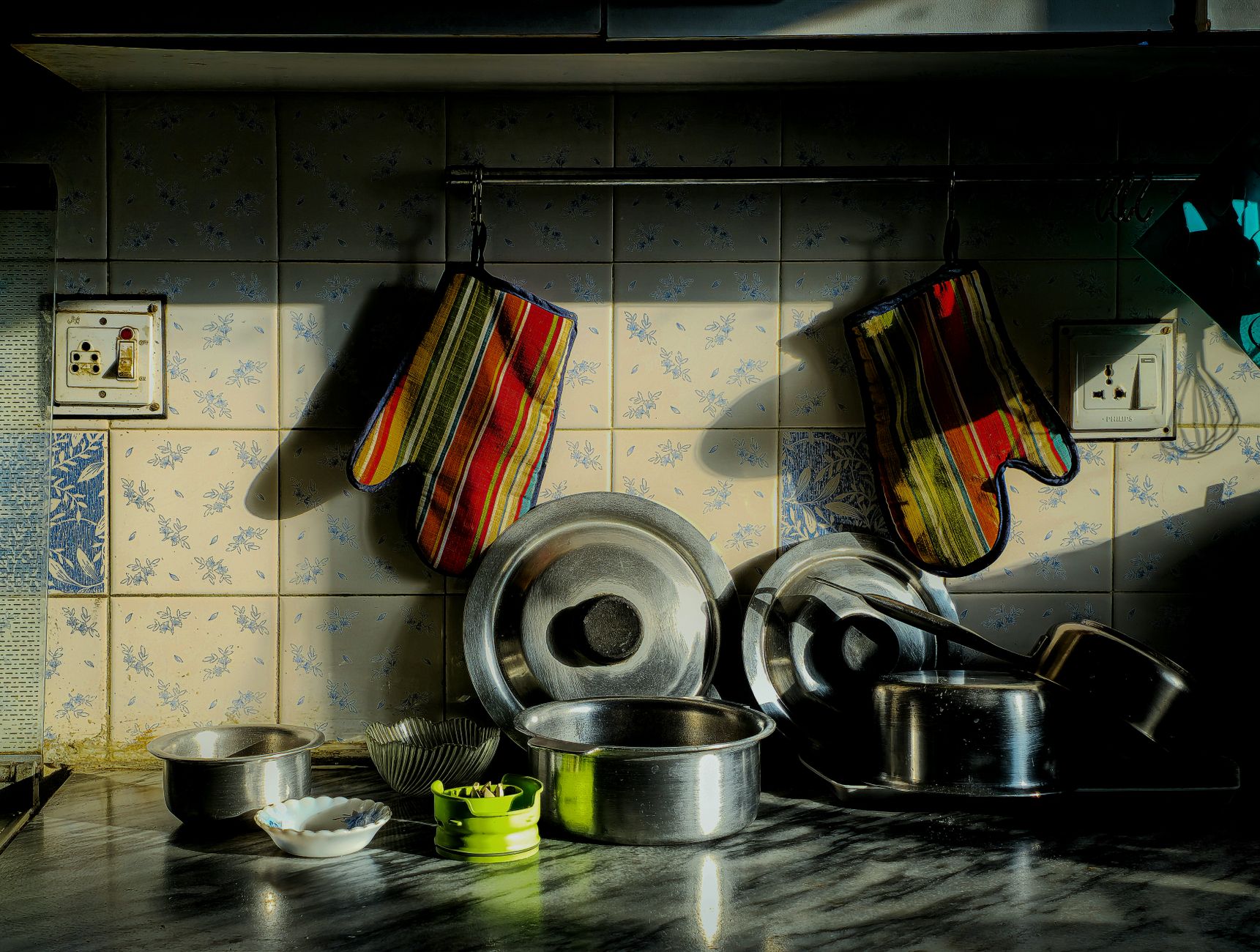
Choosing between stainless steel and aluminum cookware often comes down to heat performance and price. But for many households, the bigger question is safety. Does the material leach into your food? Is it durable enough to last a decade? And does the risk profile change when you take it camping?
This guide cuts through the marketing fluff to answer the core question: stainless steel vs aluminum cookware: which is safer? We will look at reactivity with acidic foods, the difference between anodized and bare aluminum, heat distribution, and long-term durability. We will also help you decide when aluminum is the better buy and when stainless wins on safety.
Our goal is to give you a science-backed, consumer-friendly breakdown that you can use for both your home kitchen and your next outdoor trip. No jargon, no hype—just the facts you need to make a confident purchase.
The Safety Profile: Reactivity and Leaching
The primary safety concern with cookware is chemical interaction. Does the material stay inert, or does it dissolve into your meal? The answer depends heavily on the specific alloy and surface treatment.
Stainless Steel: The Inert Standard
Stainless steel, specifically food-grade 304 or 316, is highly resistant to corrosion. The chromium layer forms a passive barrier that prevents the metal from reacting with food. This makes it the safest option for storing and cooking acidic ingredients like tomatoes, wine, or citrus.
- Reactivity: Extremely low. It will not alter the taste of acidic foods.
- Leaching: Negligible under normal cooking conditions.
- Standards: Look for "food-grade" or "18/10" labels to ensure high chromium and nickel content.
If you are cooking a tomato-based pasta sauce or braising with red wine, stainless steel is the clear winner. There is no risk of metallic taste or excessive metal ion intake.
Aluminum: The Reactive Workhorse
Aluminum is lightweight and conducts heat exceptionally well, but bare aluminum is reactive. When exposed to acidic or salty foods, the metal can oxidize and leach into the dish. This is why bare aluminum pots often have a dull, grayish film after cooking tomatoes.
However, most modern aluminum cookware is not "bare." It is either anodized or coated.
- Bare Aluminum: Highly reactive. Not recommended for acidic foods. Safe for neutral ingredients like rice or potatoes.
- Anodized Aluminum: The surface is treated to create a hard, porous oxide layer. This layer is stable and significantly reduces reactivity. It is much safer than bare aluminum but still not as inert as stainless steel.
- Coated Aluminum: Often has a non-stick layer (like PTFE or ceramic). Safety depends on the coating, not the base metal. If the coating chips, you are back to reactive aluminum.
Is aluminum cookware safe? Yes, provided you use anodized or coated versions and avoid cooking highly acidic foods for extended periods. The FDA considers aluminum safe for cookware, but it is less robust than stainless steel in extreme scenarios.
Heat Distribution and Performance Impacts on Safety
Heat distribution matters for safety in two ways: preventing hot spots that burn food (creating harmful compounds like acrylamide) and ensuring even cooking that preserves nutrients.
Aluminum’s Thermal Advantage
Aluminum has a high thermal conductivity. It heats up quickly and spreads heat evenly across the base. This is why you rarely get a hot spot in the center of an aluminum pan. For camp cooking, this is a major benefit. It allows for precise temperature control, which can reduce the risk of scorching food.
However, aluminum is soft. Over time, the base can warp if exposed to uneven heating or high thermal shock. A warped pan does not sit flat, leading to uneven heating and potential safety issues with gas stoves or campfires.
Stainless Steel’s Insulating Nature
Stainless steel is a poor conductor of heat. This is why most high-quality stainless cookware has a copper or aluminum core (clad construction). The core provides even heating, while the stainless exterior provides durability and non-reactivity.
Single-ply stainless steel (no core) is not recommended for cooking. It creates hot spots that can burn food and is inefficient. For safety and performance, always choose clad stainless steel for home use.
Durability and Lifetime: The Long-Term Safety View
Safety is not just about what happens in the pan; it is about what happens to the pan over time. A durable pan that lasts 20 years is safer and more sustainable than a cheap pan that breaks in two.
Stainless Steel: Built to Last
Stainless steel is incredibly durable. It resists dents, scratches, and corrosion. It can be used with metal utensils without damage. This means the non-reactive surface remains intact for the life of the product. For sustainable living, this longevity is a key factor.
Aluminum: Fragile and Finite
Aluminum is soft and dents easily. Anodized aluminum is harder than bare aluminum, but it can still be scratched by abrasive cleaners or metal utensils. Once the anodized layer is compromised, the underlying aluminum becomes reactive. Coated aluminum has an even shorter lifespan; the non-stick coating will eventually wear off, exposing the reactive base.
For camping, aluminum’s light weight is a huge advantage. But if you plan to keep the gear for decades, stainless steel is the more durable choice. Aluminum camping gear is often disposable or replaced frequently due to wear and tear.
Comparison: Stainless Steel vs. Aluminum Cookware
To help you decide, here is a breakdown of the key attributes for both home and camping use.
| Attribute | Stainless Steel (Clad) | Anodized Aluminum | Verdict |
|---|---|---|---|
| Safety (Acidic Foods) | Excellent. Inert and non-reactive. | Good. Much better than bare aluminum, but can react if surface is damaged. | Stainless Steel |
| Safety (Leaching) | Very Low. No significant metal ion leaching. | Low to Moderate. Depends on surface integrity. | Stainless Steel |
| Heat Distribution | Good (if clad). Slight hot spots possible on single-ply. | Excellent. Even heating and quick response. | Aluminum |
| Weight (Camping) | Heavy. 2-3x heavier than aluminum. | Light. Ideal for backpacking. | Aluminum |
| Durability | High. Resists dents, scratches, and corrosion. | Low to Moderate. Dents easily; surface can wear. | Stainless Steel |
| Maintenance | Easy. Dishwasher safe (usually). | Moderate. Hand wash recommended to preserve anodized layer. | Stainless Steel |
| Cost | Higher. $50-$150 for quality sets. | Lower. $20-$80 for quality sets. | Aluminum |
When to Choose Aluminum
Choose anodized aluminum if:
- You are backpacking or camping and weight is your primary concern.
- You cook mostly neutral foods (rice, pasta, vegetables) and do not use acidic ingredients frequently.
- You want a budget-friendly option that heats quickly.
- You are comfortable hand-washing your cookware to extend its life.
When to Choose Stainless Steel
Choose clad stainless steel if:
- You cook acidic foods (tomatoes, wine, citrus) regularly.
- You want a pan that will last 10-20+ years with minimal degradation.
- You prefer using metal utensils and dishwashers.
- You prioritize long-term safety and durability over weight and cost.
Bottom Line: Which Is Safer?
For the home kitchen, stainless steel is the safer choice. Its inert nature, durability, and resistance to corrosion make it the superior option for long-term health and sustainability. It handles acidic foods without leaching and lasts for decades, reducing waste.
For camping, anodized aluminum is the safer and more practical choice. While it is slightly more reactive, the anodized layer provides sufficient protection for most outdoor cooking. Its light weight is a critical safety factor in the wilderness, where carrying heavy gear can lead to fatigue and accidents. Just avoid cooking highly acidic foods in bare aluminum, and you will be fine.
If you are looking for the best of both worlds for home use, consider a hybrid approach: use stainless steel for sauces and acidic dishes, and aluminum for sautéing and baking where heat control is key. This allows you to leverage the strengths of each material while minimizing their weaknesses.
FAQ
Is anodized aluminum non-toxic?
Yes. Anodized aluminum is non-toxic and generally recognized as safe (GRAS) by the FDA. The anodizing process creates a stable oxide layer that prevents leaching under normal cooking conditions.
Can I use metal utensils with aluminum cookware?
You can, but it is not recommended. Metal utensils can scratch the anodized or coated surface, exposing the reactive aluminum underneath. Use wooden, silicone, or nylon utensils to extend the life of your aluminum cookware.
Which is better for sustainable living?
Stainless steel is generally better for sustainable living due to its longevity and recyclability. Aluminum is also recyclable, but its shorter lifespan means it may need to be replaced more often, increasing waste. However, if you are buying lightweight gear for frequent travel, the reduced fuel consumption from lighter loads can offset some environmental impact.
Tool: Stainless Steel Grade Checker — look up what a grade like 18/10, 304 or 316 actually means.
Comments
Post a Comment