In short: Compostable vs biodegradable kitchen supplies: Learn the difference, check certifications, and find the best plastic-free alternatives for your home. Read on for the details that actually matter before you buy.
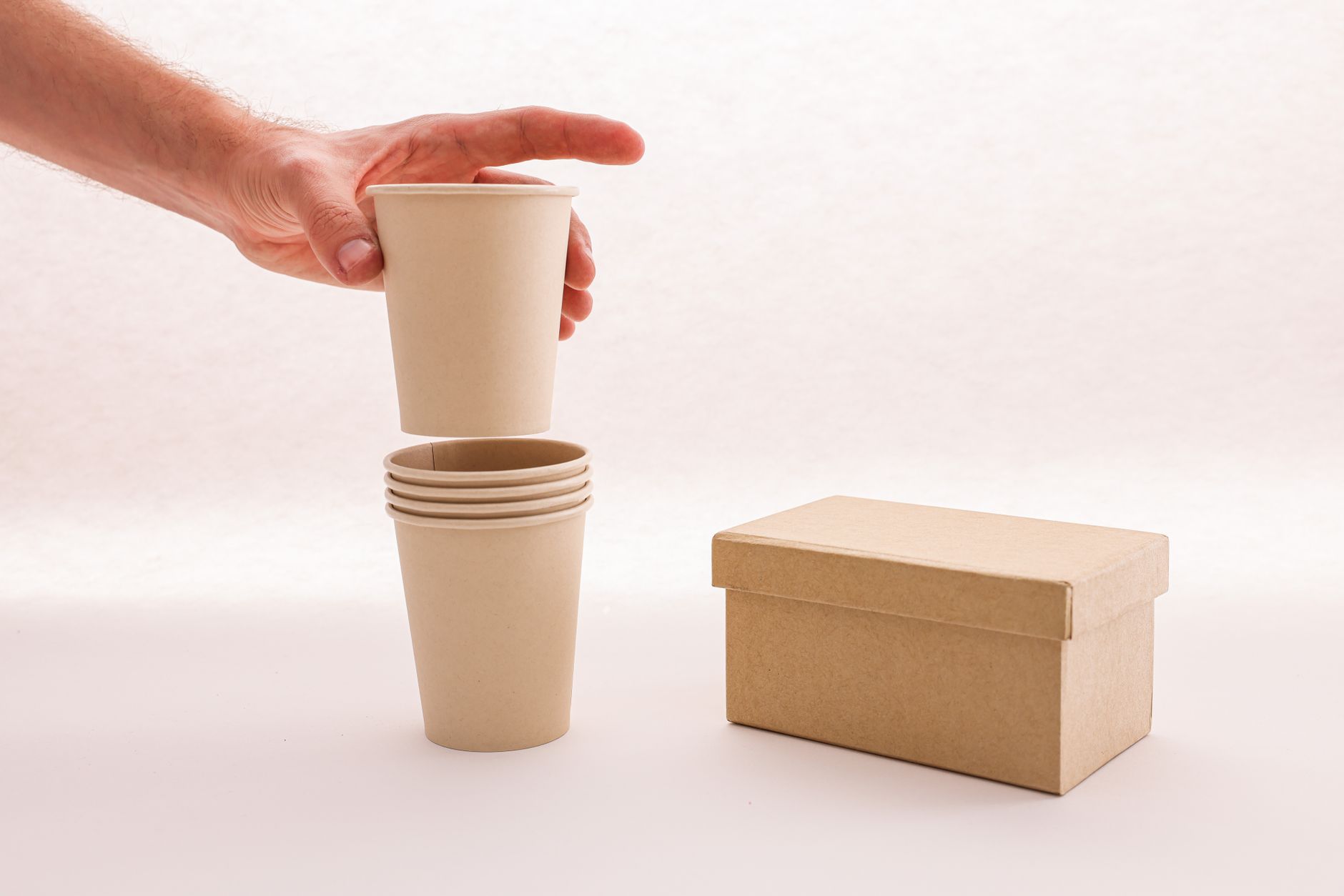
Walking down the eco-friendly aisle of your local grocery store, you are likely bombarded with labels claiming your new sponge or bag is "biodegradable" or "compostable." But do these terms actually mean what you think they do? Many consumers assume that if a product breaks down in nature, it is safe for their home compost bin or the planet. The reality is more nuanced, and often misleading.
The distinction between compostable and biodegradable kitchen supplies is critical for anyone trying to reduce plastic waste without creating microplastic pollution. A product can be biodegradable in a landfill over 50 years, yet fail to decompose in your backyard compost pile for a decade. Understanding this difference prevents the frustration of buying green products that simply don't perform.
In this guide, we break down the science behind these labels. We will explore the rigorous standards set by BPI and OK compost, explain the difference between home and industrial composting, and look at why uncertified "compostable" claims are often just greenwashing. Finally, we will review common kitchen categories—bags, wraps, cutlery, and sponges—to help you make informed, practical choices.
Defining the Terms: Compostable vs. Biodegradable
To navigate the market, you must first understand the precise definitions. These two terms are frequently used interchangeably, but they describe different processes and timeframes.
What is Biodegradable?
Biodegradable means a material can be broken down by natural processes, such as the action of microorganisms. However, there is no universal standard for how fast this must happen. A piece of conventional plastic is technically biodegradable; it just takes centuries to do so. Without a specified timeframe or environment, the term is vague and often lacks regulatory backing.
What is Compostable?
Compostable is a specific claim. It means the material will disintegrate and decompose in a composting system at a rate consistent with known materials, leaving no residue more toxic than the original material. For a product to be legitimately labeled compostable, it must meet specific standards for disintegration, biodegradation, and low toxicity.
The key difference is the environment and the speed. Composting requires specific conditions of temperature, moisture, and oxygen that most landfills and home gardens do not consistently provide.
Certifications That Matter
Not all compostable claims are created equal. If a package does not have a recognized certification logo, treat the claim with skepticism. The two most respected standards are:
- BPI (Biodegradable Products Institute): In North America, the BPI logo indicates compliance with ASTM D6400 or D6868. This standard requires the material to fully break down in 180 days in an industrial composting facility.
- OK compost (TÜV Austria): This European certification distinguishes between OK compost INDUSTRIAL and OK compost HOME. The latter is stricter, requiring decomposition in a home compost environment.
If you see "compostable" without a BPI or OK compost logo, it is likely a marketing tactic. The product may break down eventually, but it will not do so in a way that supports a healthy compost ecosystem.
Home Composting vs. Industrial Composting
Even if a product is certified compostable, you need to know where it will be composted. This is where many consumers get tripped up.
Industrial Composting
Industrial facilities achieve temperatures between 131°F and 158°F (55°C to 70°C). These high temperatures kill pathogens and break down tough materials like cornstarch plastics and sugarcane fibers quickly. Most BPI-certified items are designed for this environment. If you live in an area without industrial composting access, these products are useless to you and will end up in a landfill.
Home Composting
Your backyard bin rarely reaches the temperatures needed for industrial composting. It usually hovers between 100°F and 140°F. For a product to work in your home bin, it must be certified for home composting (like OK compost HOME) or be made from natural fibers like cotton, linen, or untreated wood. Plastic-free alternatives to cling film often fall into this category, but only if they are made from beeswax or natural fibers, not plant-based plastics.
Common Kitchen Categories: What Actually Works?
Let's look at the specific items you are likely trying to replace and what to look for in each category.
Compostable Kitchen Bags
Bagasse (sugarcane fiber) and cornstarch bags are popular alternatives to plastic. Look for BPI certification. However, be aware that these bags are often not waterproof. If you use them for wet market produce, they may disintegrate in your grocery bag before you get home. For daily kitchen use, they work well for dry goods or wrapping sandwiches if you avoid heavy liquids.
Plastic-Free Wrap Alternatives
When searching for a plastic free alternative to cling film, you have two main options: beeswax wraps and silicone.
- Beeswax Wraps: Made from cotton, beeswax, jojoba oil, and tree resin. They are biodegradable but not necessarily compostable if they contain synthetic dyes. They last 1-2 years with proper care (hand wash only). Once worn out, they can be composted if all ingredients are natural.
- Silicone Wraps: These are reusable, not compostable. They are BPA-free and can last for decades. They are the best choice for durability, but they are not "green" in the sense of being disposable. They are a reduction strategy, not a composting one.
Cutlery and Tableware
Palm leaf plates and bagasse bowls are excellent for parties. They are compostable in industrial facilities. However, for daily use, they are often brittle and not microwave-safe. If you want a durable, compostable option, look for molded fiber products that are thick enough to withstand use. Avoid products coated with PLA (polylactic acid) unless you have access to industrial composting, as PLA looks like plastic but requires high heat to break down.
Sponges and Scrubbers
This is the most problematic category. Most "biodegradable" sponges contain synthetic binders or plastic fibers that do not break down.
- Natural Loofah: Fully biodegradable and compostable. Ensure it is 100% natural fiber, not a synthetic blend.
- Coconut Coir Scrubbers: Made from coconut husk and natural rubber. They are biodegradable but may take a long time to break down in a home compost due to the rubber content.
- Cellulose Sponges: Made from wood pulp. They are biodegradable but often contain synthetic dyes. Look for undyed versions for the most eco-friendly option.
Comparison of Common Materials
| Material | Compostability | Durability | Best For |
|---|---|---|---|
| Beeswax Wrap | Home (if natural) | 1-2 years | Short-term food covering |
| Bagasse | Industrial | Low (single use) | Takeout containers, bowls |
| Silicone | None (Reusable) | 10+ years | Long-term replacement for cling film |
| Natural Loofah | Home | 1-3 months | Dish washing |
Why "Compostable" Without Certification is Greenwashing
Many brands use the word "compostable" to appeal to eco-conscious consumers without adhering to strict standards. This is greenwashing because it creates a false expectation. A product labeled "compostable" that lacks a BPI or OK compost logo may not break down in your compost bin for years, if at all. It might leave behind microplastics or toxic residues that contaminate your soil.
Always check the fine print. If the label says "compostable in a commercial facility," and you do not have access to one, the product is not compostable for you. It is merely biodegradable in a specific, high-heat environment. For home users, this distinction is the difference between a helpful tool and a wasted purchase.
Practical Buyer's Checklist
Before you buy, run your potential purchase through this checklist to ensure it aligns with your sustainability goals.
- Check for Certification: Look for the BPI logo or OK compost mark. If it’s missing, assume it is not truly compostable.
- Identify the Environment: Does the label specify "industrial" or "home"? Do you have access to that type of composting?
- Inspect the Material: Is it 100% natural fiber, or does it contain PLA, synthetic dyes, or plastic binders?
- Consider Reusability: If you have access to industrial composting, single-use items are fine. If not, prioritize reusable items like silicone or stainless steel, even if they are not compostable.
- Read the Care Instructions: Some "biodegradable" items require specific conditions (like being cut into small pieces) to break down. Can you meet those conditions?
Frequently Asked Questions
What temperature range do industrial composting facilities achieve?
Industrial composting facilities achieve temperatures between 131°F and 158°F, which is equivalent to 55°C to 70°C. These high temperatures are necessary to kill pathogens and break down tough materials like cornstarch plastics and sugarcane fibers quickly.
What standard does the BPI logo indicate compliance with?
The BPI logo indicates compliance with ASTM D6400 or D6868 standards. This requires the material to fully break down within 180 days in an industrial composting facility, ensuring it meets specific criteria for disintegration and low toxicity.
Why are uncertified compostable claims often considered misleading?
Uncertified claims are often just greenwashing because the product may break down eventually but not in a way that supports a healthy compost ecosystem. Without recognized logos like BPI or OK compost, the claim lacks regulatory backing and specific performance standards.
Conclusion
Choosing between compostable and biodegradable kitchen supplies is not about finding a perfect product; it is about finding the right fit for your lifestyle. If you have access to industrial composting, invest in BPI-certified bags and cutlery. If you rely on a home compost bin, stick to natural fibers like loofah, cotton, and beeswax, and avoid plant-based plastics unless they are explicitly certified for home use.
Your next step is to audit your kitchen. Identify the items you use most frequently and look for alternatives that match your composting capabilities. Start small with one category, such as replacing plastic wrap with beeswax or silicone, and verify the certifications before you buy. By doing so, you ensure that your eco-friendly choices actually contribute to a healthier planet, rather than just adding to the pile of green-washed waste.
Comments
Post a Comment