In short: Synthetic sponges shed microplastics, but natural alternatives like coir, cellulose, and loofah offer durable, plastic-free scrubbing options for your kitchen. Here is what the evidence says, and how to weigh it up.
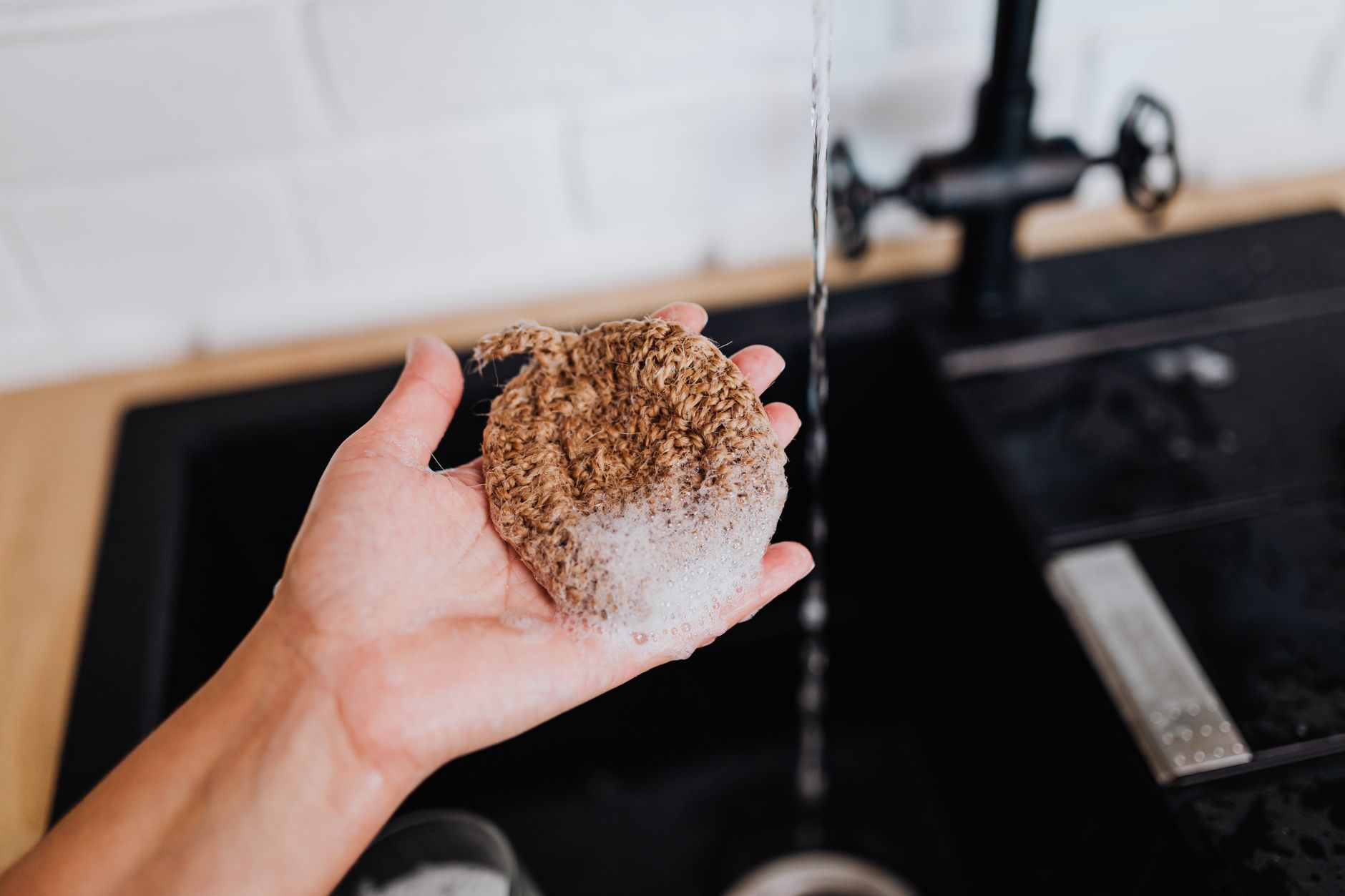
Every time you scrub a pot with a standard yellow-and-green sponge, you are likely releasing thousands of microplastic particles into your sink. These tiny fragments wash down the drain, bypass water filtration systems, and eventually end up in our oceans and food supply. If you are looking for the best plastic free kitchen sponges, you are not just seeking a cleaning tool; you are attempting to close a significant environmental loophole in your daily routine.
Switching to natural materials feels like a simple fix, but the reality is nuanced. Cellulose, coconut coir, loofah, and steel wool all offer different trade-offs between scrub power, absorbency, and shelf life. Some are compostable; others are durable but not biodegradable. This guide cuts through the marketing noise to help you choose the right tool for your specific kitchen needs.
We have evaluated the top contenders based on real-world performance, material integrity, and environmental impact. Whether you prioritize zero-waste living or simply want a cleaner home, this breakdown of the best natural kitchen cleaning products will help you make an informed decision. We focus on honest performance metrics, defensible claims, and practical usability, ensuring you do not have to sacrifice effectiveness for sustainability.
The Problem with Synthetic Sponges
Most conventional sponges are made from polyurethane foam or synthetic fibers. While effective at cleaning, they are inherently petroleum-based. The primary issue is not just their origin, but their degradation process. Studies indicate that a single synthetic sponge can shed millions of microplastic fibers over its lifespan. With every wash, these fibers detach and enter the wastewater stream.
Water treatment plants are not designed to filter out such small particles. As a result, a significant portion of these microplastics passes through and accumulates in aquatic environments. This is a major driver of why interest in eco friendly kitchen cleaning products spikes during events like Plastic Free July. Consumers are becoming increasingly aware that their daily habits contribute to long-term environmental pollution.
Beyond microplastics, synthetic sponges often harbor bacteria more effectively than natural materials due to their porous, non-porous hybrid structure. While this is a hygiene issue, it also means they often need to be replaced more frequently than you might think, adding to the waste cycle. Choosing a plastic-free alternative addresses both the environmental and the hygienic concerns.
Comparing Natural Materials: Cellulose, Coir, Loofah, and Steel Wool
When you remove plastic from the equation, you are left with four primary natural materials. Each has distinct properties that make it suitable for specific tasks. Understanding these differences is key to selecting the right tool for your kitchen.
Cellulose Sponges
Cellulose sponges are made from wood pulp, often sourced from sustainably managed forests. They resemble traditional sponges in texture and shape but are fully biodegradable. Pros: Excellent absorbency, soft enough for delicate surfaces, and fully compostable. Cons: They can retain moisture, leading to mold growth if not dried properly. They also degrade faster when constantly wet.
Coconut Coir Scrubbers
Coconut coir is the fibrous material found between the hard inner shell and the outer covering of a coconut. It is rough, durable, and naturally antimicrobial. Pros: High scrub power, resistant to mold, and long-lasting. Cons: Can be too abrasive for non-stick pans or glass. It is less absorbent than cellulose, making it better for scrubbing than for wiping liquids.
Loofah Sponges
Loofahs are made from the dried fruit of a cucurbit plant. They are lightweight and have a unique mesh structure. Pros: Very lightweight, biodegradable, and good for general scrubbing. Cons: They are not very durable and can break apart if handled roughly. They also tend to hold onto odors if not aired out regularly.
Steel Wool
Steel wool is not biodegradable in the traditional sense, but it is not plastic. It is made from thin strands of steel. Pros: Unmatched scrub power for burnt-on food and cast iron. It lasts for years. Cons: It is abrasive and can scratch many surfaces. It does not absorb liquids. It is not compostable, though it can be recycled as scrap metal.
Top 5 Plastic Free Kitchen Sponges: Comparison Table
We have selected five popular options that represent the best in their respective categories. Prices are approximate and may vary by retailer. This table helps you compare key attributes at a glance.
| Product Type | Material | Approx. Price (USD) | Scrub Power | Absorbency | Compostable? | Best For |
|---|---|---|---|---|---|---|
| Cellulose Sponge | Wood Pulp | $2.00 - $4.00 | Low-Medium | High | Yes | General cleaning, delicate surfaces |
| Coconut Coir Scrubber | Coconut Fiber | $5.00 - $8.00 | High | Low | Yes | Scrubbing pots, pans, and countertops |
| Loofah Sponge | Loofah Gourd | $3.00 - $6.00 | Medium | Medium | Yes | Light scrubbing, dish washing |
| Steel Wool Pad | Steel | $1.00 - $3.00 | Very High | None | No (Recyclable) | Burnt-on food, cast iron, stainless steel |
| Hybrid Coir/Cellulose | Coconut/Cellulose | $6.00 - $10.00 | Medium-High | Medium | Yes | All-purpose kitchen cleaning |
Verdict: The "best" sponge depends on your primary need. If you want a direct replacement for a standard sponge, choose cellulose. If you need heavy-duty scrubbing power, go with coconut coir. For stubborn, burnt-on messes, steel wool is the only natural option that matches the effectiveness of synthetic scouring pads. A combination of cellulose and coir often provides the most balanced experience for most households.
How to Choose the Right Sponge for Your Kitchen
Selecting the right best plastic free kitchen sponges involves more than just picking a material. You must consider how you will use, store, and dispose of the product. Here are key factors to keep in mind.
- Storage and Drying: Natural sponges, especially cellulose and loofah, are prone to mold and mildew if kept wet. Always store them in a well-ventilated area or hang them on a rack to air dry between uses. This is crucial for extending their lifespan and maintaining hygiene.
- Surface Compatibility: Be mindful of what you are cleaning. Coconut coir and steel wool are abrasive. Avoid using them on non-stick cookware, glass, or delicate ceramics. For these surfaces, cellulose or loofah is a safer choice.
- Lifespan and Replacement: Synthetic sponges often last 2-4 weeks. Natural sponges vary. Cellulose may last 2-3 weeks if kept wet. Coconut coir can last several months. Steel wool can last years. Plan your disposal method accordingly. Compostable items should go in your compost bin, not the trash.
- Certifications: Look for certifications like FSC (Forest Stewardship Council) for cellulose products to ensure sustainable sourcing. For loofahs, ensure they are grown organically to avoid pesticide residues. While not all natural products have certifications, they are a good indicator of ethical production.
By considering these factors, you can ensure that your switch to plastic-free cleaning is both effective and sustainable. It is not just about buying a product; it is about integrating a new habit into your daily routine.
Bottom Line
There is no single "perfect" plastic-free sponge. The ideal choice is a combination of tools tailored to your specific tasks. For most kitchens, a cellulose sponge for general wiping and a coconut coir scrubber for pots and pans provides the best balance of performance and sustainability. Add a steel wool pad for occasional heavy-duty cleaning. This trio covers all bases without introducing microplastics into your home or environment.
Remember, the goal of using eco friendly kitchen cleaning products is to reduce your environmental footprint. By choosing natural materials, you are making a conscious decision to support sustainable practices. It is a small change, but when multiplied across millions of households, it makes a significant difference.
FAQ
Q: Are plastic-free sponges more expensive?
A: Not necessarily. Individual units may cost slightly more than synthetic sponges, but they often last longer, especially coconut coir and steel wool. Over time, the cost per use can be lower.
Q: How do I prevent mold on cellulose sponges?
A: Squeeze out excess water after each use and store the sponge in a dry, ventilated area. You can also hang it on a hook or rack to allow air circulation. Regularly replacing the sponge also helps prevent mold buildup.
Q: Can I compost all natural sponges?
A: Most cellulose, coconut coir, and loofah sponges are compostable. However, ensure they do not contain synthetic binders or dyes. Check the product label for compostability claims. Steel wool is not compostable but is recyclable as scrap metal.
Comments
Post a Comment