In short: Are wool dryer balls better than dryer sheets? This 2026 guide compares safety, efficacy, and cost to help you choose the best laundry method. Read on for the details that actually matter before you buy.
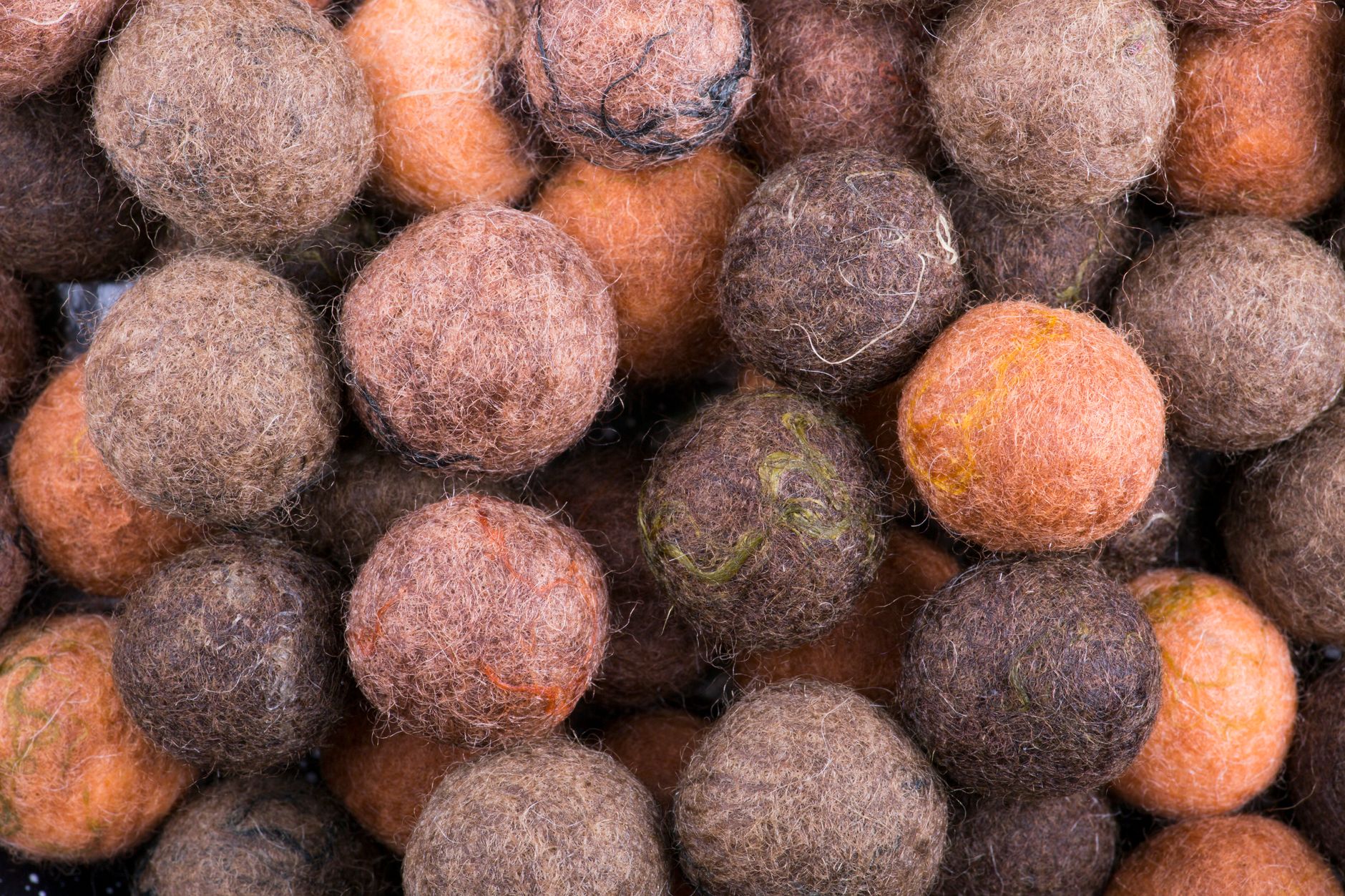
Households looking to reduce chemical exposure and laundry waste often ask if wool dryer balls are a superior alternative to traditional dryer sheets. This guide compares the efficacy, safety, and longevity of both methods, helping consumers make an informed choice for their laundry routine.
While dryer sheets offer immediate softness and scent, wool dryer balls provide a reusable, non-toxic option that can shorten drying times. Understanding the material science behind these products is key to determining which fits a specific household's needs for sustainability and fabric care.
This analysis examines the chemical composition of commercial dryer sheets, the mechanical action of wool dryer balls, and the practical implications for energy use and fabric longevity. It also addresses common misconceptions about lint, static, and the environmental impact of each method.
The Chemistry of Dryer Sheets and Static Reduction
Commercial dryer sheets work by depositing a thin layer of cationic surfactants onto fabric fibers. These chemicals reduce static electricity by allowing electrons to flow more easily between fibers, while also providing a lubricating effect that creates the sensation of softness. However, the scent and softness are temporary and wash out after a single cycle.
The "are dryer sheets toxic" question often centers on the volatile organic compounds (VOCs) and fragrances used in these products. Many conventional sheets contain phthalates, which are plasticizers used to make fragrances last longer. According to the US EPA, certain phthalates are subject to regulation due to potential health risks, though specific limits in consumer textiles vary. Additionally, the PubMed literature suggests that chronic exposure to high levels of phthalates may be linked to hormonal disruptions, particularly in children and pregnant women.
While the amount of phthalates in a single dryer sheet is small, the cumulative exposure from using them daily can be significant. For households sensitive to synthetic fragrances or concerned about endocrine disruptors, switching to unscented or wool alternatives reduces this chemical load.
How Wool Dryer Balls Work: Mechanical Action vs. Chemical Coating
Reusable dryer balls, typically made from 100% natural wool, function differently than sheets. They do not deposit chemicals; instead, they work by physically agitating the laundry. As the dryer tumbles, the balls bounce between garments, separating them and allowing hot air to circulate more freely. This mechanical action helps to fluff fibers and reduce the time required to dry clothes.
The effectiveness of wool dryer balls in reducing drying time depends on several factors, including the density of the wool and the load size. Studies on laundry efficiency suggest that proper separation of garments can reduce drying time by 10-20%. This reduction in cycle length can lead to lower energy consumption. According to the Energy Star guidelines, using dryers efficiently is a key component of household energy conservation. By shortening cycles, wool balls can contribute to this goal, although the savings are modest compared to switching to cold water washing or line drying.
Wool also has natural moisture-wicking properties. The crimped structure of wool fibers allows them to absorb and release moisture more effectively than synthetic balls. This helps to prevent clothes from feeling "damp" when removed from the dryer, although it does not eliminate static entirely without additional measures.
Comparing Performance: Softness, Lint, and Static
When comparing wool dryer balls vs dryer sheets, the primary difference lies in the type of softness achieved. Dryer sheets provide a chemical coating that feels smooth and silky, often accompanied by a strong scent. Wool dryer balls, however, provide a natural, fluffy feel by unknotting fibers. This softness is less pronounced than that of chemical-softened fabrics but is generally considered more natural and less likely to cause skin irritation.
Lint and Fiber Shedding
One common concern with wool dryer balls is lint. New wool balls shed fibers, which can stick to dark clothing. This shedding is most significant in the first few washes. To mitigate this, it is recommended to wash the balls separately in a mesh bag before their first use in the dryer. Over time, the shedding decreases as the loose fibers are removed. In contrast, dryer sheets do not shed lint, but they can leave a chemical residue that may attract dirt over time if not rinsed properly.
Static Control
Wool dryer balls are less effective at eliminating static than dryer sheets, especially in low-humidity environments. To improve static control, some users add a small amount of white vinegar to the balls or use a fabric softener specifically designed for wool. The vinegar helps to neutralize static charges without adding synthetic chemicals. For those who find static unacceptable, a combination of wool balls and a small amount of liquid fabric softener may be a viable middle ground.
Environmental Impact and Long-Term Cost
From a sustainability perspective, wool dryer balls offer a clear advantage over disposable sheets. A single pack of dryer sheets may contain 80-100 sheets, each contributing to plastic waste due to their plastic wrapping and non-biodegradable chemical composition. Wool dryer balls, on the other hand, are reusable for hundreds of cycles. The US EPA emphasizes the importance of reducing waste in household products, and reusable items align with this goal.
The environmental footprint of wool production is a factor to consider. Sheep farming can have impacts on land use, water consumption, and greenhouse gas emissions. However, the long lifespan of wool dryer balls means that the per-use environmental impact is significantly lower than that of disposable sheets. Additionally, wool is a biodegradable material, meaning that at the end of its life, the balls can be composted or used as garden mulch, unlike plastic-wrapped sheets that often end up in landfills.
In terms of cost, wool dryer balls are a higher initial investment, typically ranging from $15 to $30 for a set of three. Dryer sheets are cheaper upfront, with a bulk box costing around $20 to $25. However, the long-term cost of dryer sheets adds up, as they need to be replaced regularly. Wool balls can last for years with proper care, making them a more economical choice over time.
Frequently Asked Questions
Do wool dryer balls actually reduce drying time?
Yes, wool dryer balls can reduce drying time by improving air circulation and separating garments. The reduction is typically between 10% and 20%, depending on the load size and dryer settings. This can lead to modest energy savings over time.
Are wool dryer balls safe for all fabrics?
Wool dryer balls are generally safe for most fabrics, including cotton, linen, and synthetic blends. However, for delicate fabrics like silk or lace, it is recommended to use them on a low heat setting or avoid using them altogether to prevent excessive agitation. Wool balls are not recommended for drying items with zippers or hooks, as they can snag the wool fibers.
How do I clean my wool dryer balls?
To clean wool dryer balls, remove any lint or debris with a lint roller or a damp cloth. If they become heavily soiled, they can be hand-washed in cold water with a mild detergent. Avoid machine washing or drying the wool balls, as this can felt them and reduce their effectiveness. Air dry the balls completely before returning them to the dryer.
Comments
Post a Comment